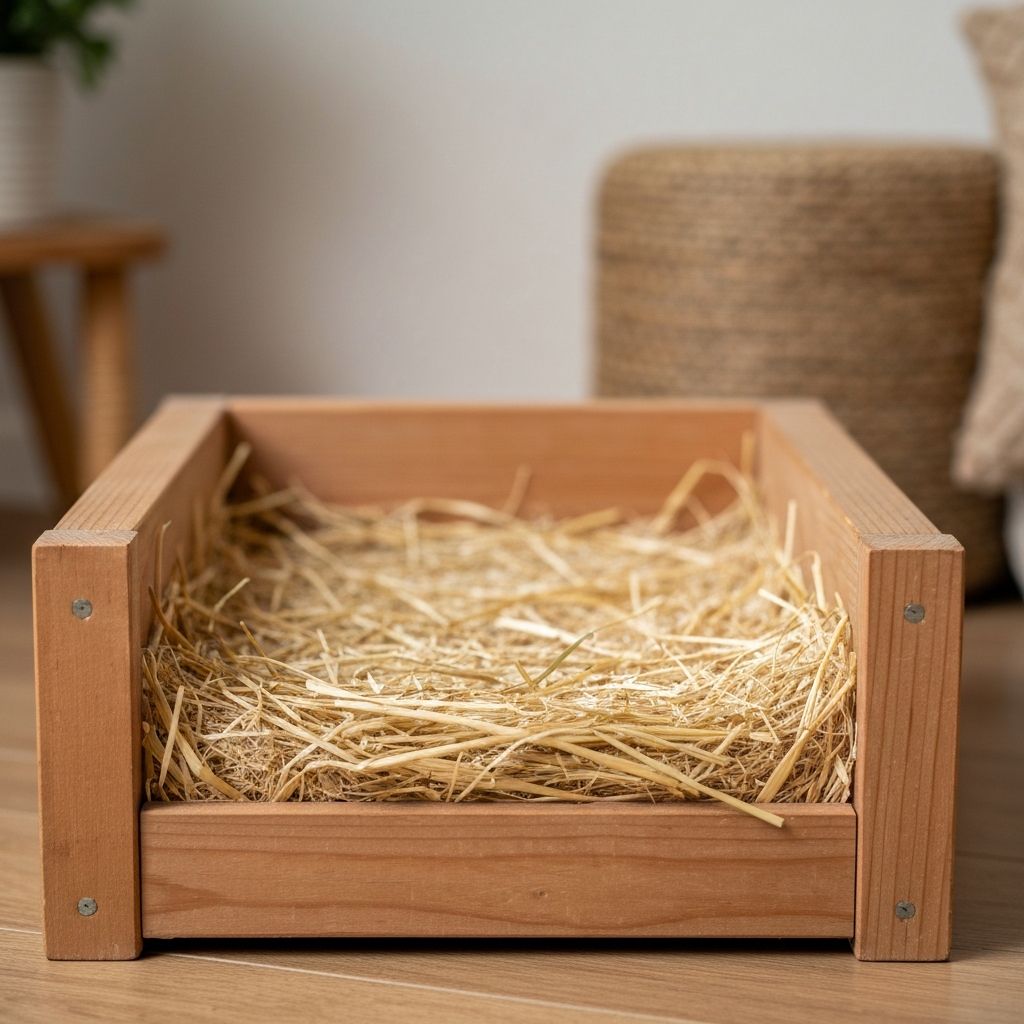
Traditional clay cat litter is a significant source of household waste, and it takes centuries to break down. Let's create a more sustainable solution together.
Why Traditional Litter is Problematic
Clay litter is strip-mined, creating environmental damage. It doesn't biodegrade, filling landfills. And the dust can be harmful to both cats and humans.
Materials You'll Need
- A bamboo or stainless steel litter box
- Newspaper or recycled paper
- Baking soda
- A compost bin (for herbivore waste only)
Step-by-Step Setup
Step 1: Prepare the Box
Clean your litter box thoroughly. If using a new sustainable box, give it a rinse to remove any manufacturing residue.
Step 2: Create Paper Litter
Shred newspaper or recycled paper into strips. Soak in warm water, drain, and add a tablespoon of baking soda per cup of paper. Squeeze out excess water and crumble into small pieces.
Step 3: Dry the Litter
Spread the paper mixture on a baking sheet and dry in a low oven (200°F) for about an hour, or air dry in the sun.
Step 4: Fill and Maintain
Add 2-3 inches of paper litter to your box. Scoop daily and completely replace weekly.
Composting Cat Waste Safely
Important: Cat waste should NOT be composted if used on food gardens due to potential pathogens. However, you can compost it for ornamental gardens.
Alternative Sustainable Litters
If DIY isn't for you, consider these eco-friendly commercial options:
- Wood pellet litter
- Corn-based clumping litter
- Walnut shell litter
- Grass seed litter
